ANALYSIS: The price of clean water will not be shared evenly. As councils plan to pump $50 billion into water infrastructure over the coming decade, some households face paying thousands of dollars more per year, while others escape with only modest rises.
The figures, revealed in council plans submitted to the Government this week and analysed by The Press, expose the true cost of decades of underinvestment and tightening environmental standards. For many communities, it will feel less like a gradual rise than a financial shock.
In Porirua, water costs are forecast to climb 252% by 2034, topping $7000 per household. Lower Hutt and Upper Hutt follow close behind, with increases of 249% and 238% that will drive costs toward $6000 annually.
Queenstown-Lakes faces a 211% spike, leaving households paying almost $5000 a year for water — the steepest cost south of Cook Strait. Some councils plan to shield ratepayers by piling on debt, borrowing heavily to cover necessary capital works.
These numbers tell the story of New Zealand’s decade-long political paralysis over three waters reform.
The previous Labour Government wanted to strip water services from councils and hand them to four massive regional entities (later expanded to 10). The plan promised efficiency through scale but sparked fierce resistance over the loss of local control.
National seized on that discontent, scrapping the reforms and launching its own model, branded Local Water Done Well. Councils could retain control of their services but only if they could prove financial sustainability.
Smaller councils were strongly encouraged to merge services with neighbours, under the threat of government intervention if they failed to prove financial sustainability.
Now the plans are in, the results will likely be disappointing to the Government. Last year, then-Minister for Local Government Simeon Brown outlined a “strong expectation” that most councils would form regional groupings, calling them a “practical necessity”.
In reality, voluntary amalgamation has proved to be like herding cats. As Clutha district mayor Bryan Cadogan said recently, the nation’s mayors “couldn’t agree on how to tie up our shoes” let alone something as significant as water delivery.
Local elections have made collaboration even harder, with councillors under pressure to support local ownership of assets regardless of affordability. The outcome has been significant squabbling and uncertainty, with far less collaboration than expected — a dynamic reflected in some of the projected price hikes.
The council plans show an almost universal commitment to dramatically increase water investment.
By 2034, national capital spending on water infrastructure is expected to top at least $47b, up sharply from the $39b forecast just last year in long-term plans. In Wellington, four city councils will control a combined entity called Metro Water, which is planning to spend nearly $7b over the decade — a 45% increase on previous projections.
This ambition is directly reflected in water charges. These typically flow into general rates bills, though some councils also use targeted levies or metered charging. In any case, ratepayers ultimately foot the bill.
The projected charges are highly uncertain, particularly later in the decade. Some joint groupings expect to move to price harmonisation, meaning all member councils would pay the same amount, which would change the figures.
The Government has also proposed national wastewater standards, which may allow some councils to scale back their planned investments. The reported numbers should be seen as rough estimates.
Nevertheless, virtually every council expects water to become less affordable.
International guidelines suggest water costs should not exceed 3-5% of the median household income. Local officials have suggested 2-3% as an informal target.
Several councils either stretch, or outright break, those thresholds. Wairoa faces the harshest outlook, with water consuming 7.6% of the median household income by 2034, according to its own projections. Ōpōtiki (5.5%), South Wairarapa (4.8%), and Southland District (4.8%) are also expecting affordability issues.
Because the metric is based on the median, the burden will fall more heavily on people outside the “average” household, especially those who live alone or are on fixed incomes.
Borrowing to survive
Faced with these daunting costs, some councils are turning to debt financing on an unprecedented scale.
Almost every council expects to take on more borrowing for water by 2034, a gamble that could buffer ratepayers in the short term but store up pressure for the future.
The most extreme case is Invercargill, where water debt is forecast to rocket from $20 million to $283m — a nearly 1400% increase, albeit from a small base. In Wellington, Metro Water’s debt is set to swell from $1.5b to $5.4b. Hamilton and Waikato District’s joint entity expects to quadruple debt from $450m to nearly $2b.
This was an expected outcome of the reforms. One of its major pillars was increasing lending limits from the Local Government Financing Agency, giving councils more headroom to borrow and allow them to invest in infrastructure they otherwise couldn’t afford.
Some councils, by joining together, can leverage their new size. A joint entity of three Northland councils plans to increase debt from $67m to about $460m; likewise, the Southern Water Done Well grouping plans to grow debt from $168m to over $400m.
But for small councils that have chosen to run their own services, the sums can be precarious.
Mackenzie, with just $10m in existing water debt, plans to more than quadruple that to $44m within three years. Kawerau, which currently carries almost none, expects to owe $13m a decade from now. Many councils will at least double their three waters debt over the next decade.
Winners, losers, and the road ahead
Not every council is staring down disaster. The reforms, for better or worse, have created clear winners and losers.
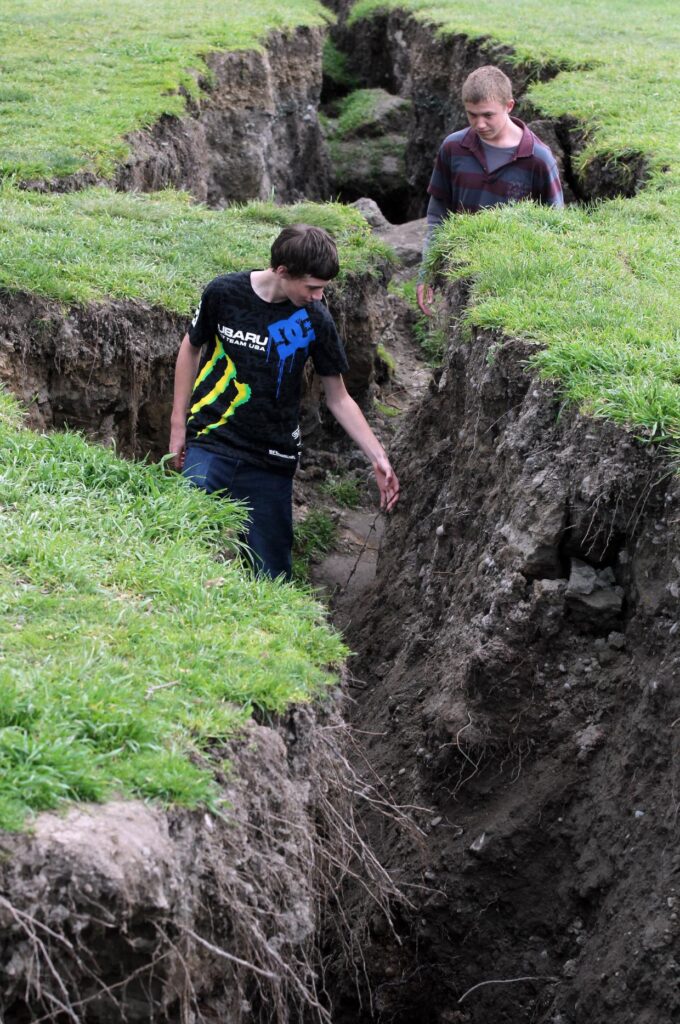
Waimakariri district in North Canterbury stands out as one of the winners. Its water charges are projected to rise only 30% by 2034, and it is the only council where water debt is expected to fall.
It benefits in part due to earthquake-damaged infrastructure that was rebuilt over the past decade with government assistance. The same is true for Christchurch, which also fares well.
This disparity hasn’t gone unnoticed further afield.
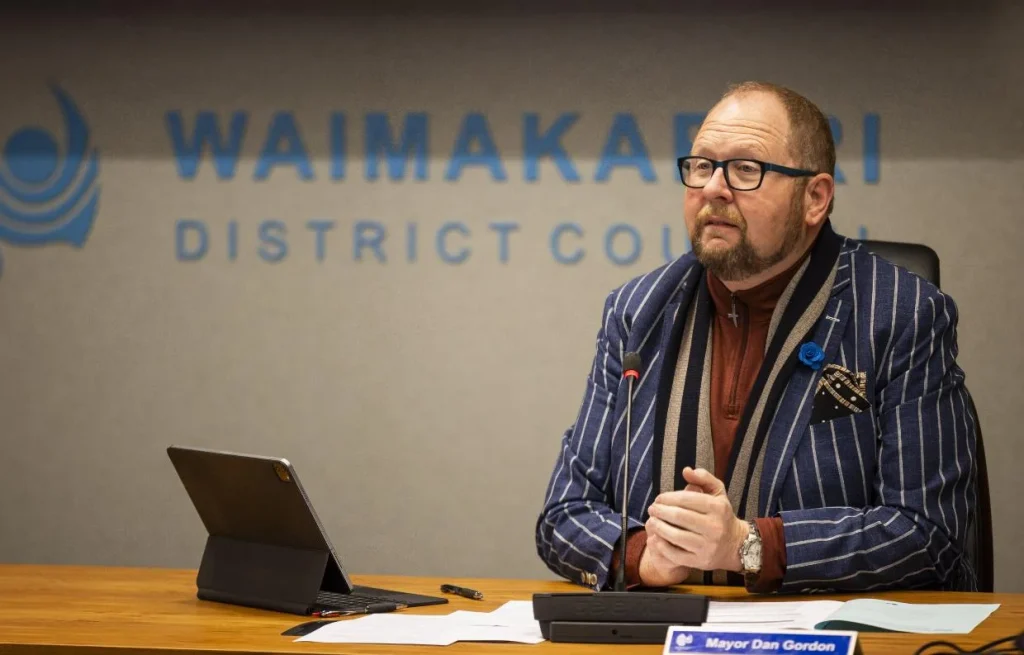
National’s Local Water Done Well policy drew heavily on C4LD’s proposed alternative. In the resulting system, Waimakariri retains control of its assets while boasting the most affordable water in the South Island
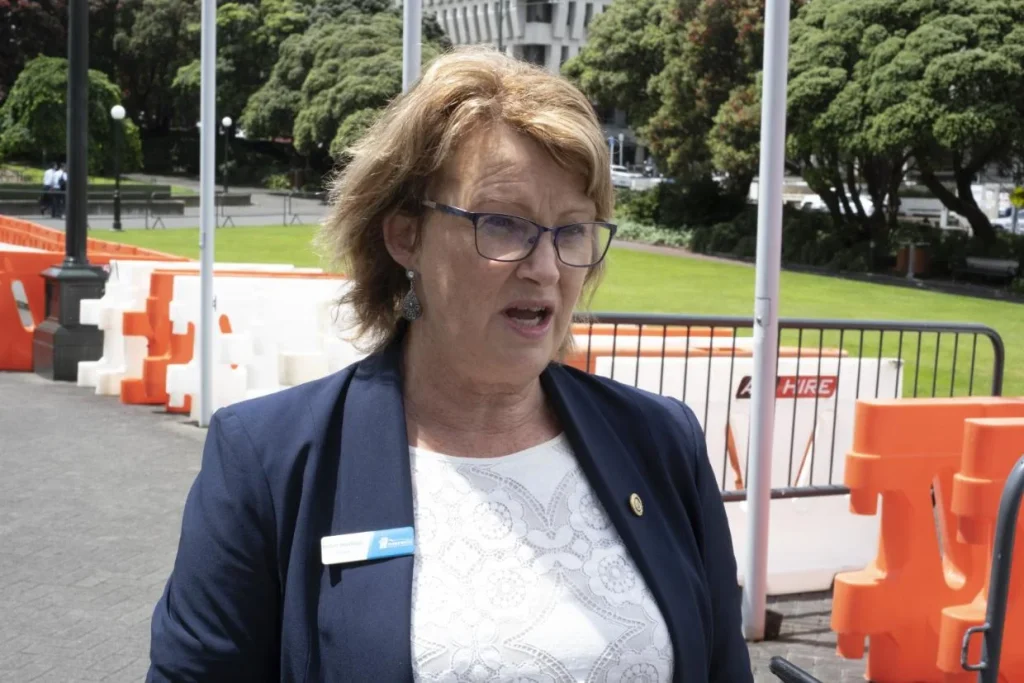
The other co-chairperson of C4LD, Manawatū mayor Helen Worboys, is in a similar position. Her district’s projected 2034 water charges sit at just 1.6% of median household income, among the lowest nationally.
The picture is bleaker for sprawling, rural councils weighed down by ageing infrastructure, which would have been removed from their balance sheets under the previous proposal.
Some have already been warned that their plans may be rejected, raising the spectre of Government intervention. Councillors in Waitaki, for instance, chose to deliver water services in-house even after being told by Government officials that joining a regional group was likely the only viable option.
It has proposed hiking annual water charges by 60% — $843 — next year.
Other districts struggle to meet higher regulatory standards for small, scattered communities. Southland district has budgeted $11m for a new wastewater system at the small community of Balfour, which will service just 75 ratepayers — equivalent to nearly $150,000 each.
Districts like Clutha, Gore, South Wairarapa, and Central Hawke’s Bay all face similar dilemmas. Their regional groupings are simply not large enough to make a significant dent, particularly given stronger councils are opting to go alone.
“It’s no different to what you’re already hearing from many other small councils … that the Local Water Done Well framework doesn’t address the long-standing financial unaffordability challenges that we face,” Central Hawke’s Bay chief executive Doug Tate said last month.
The contrast between the winners and losers underscores the unevenness baked into the new system.
Councils with strong balance sheets or well-maintained infrastructure will emerge with manageable bills, while poorer, rural districts face eye-watering costs and rising debt.
Instead of a collective solution to a national problem, the country has drifted toward a patchwork of outcomes where some communities enjoy affordable, reliable water, while others wrestle with costs that could overwhelm household budgets for many years to come.