Article: Hutt mayor Campbell Barry warns against council spend-ups after water reforms

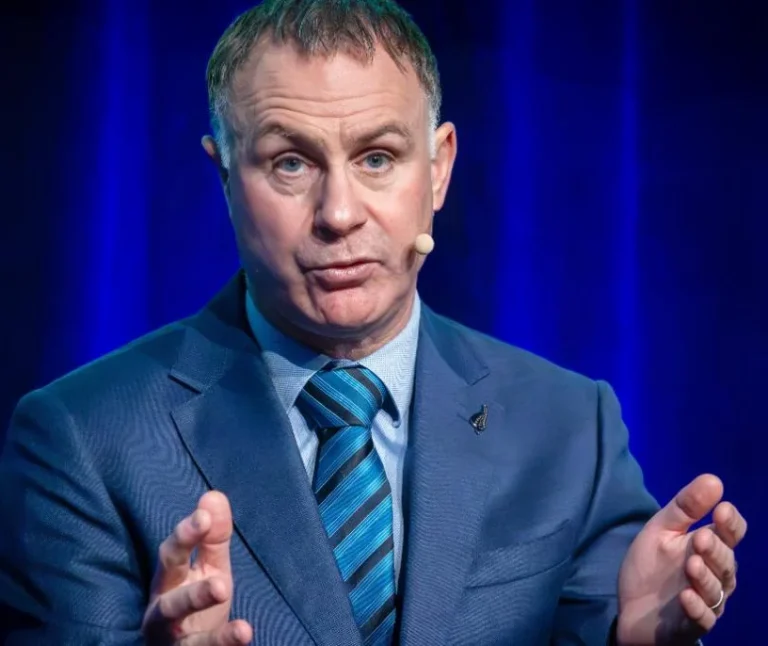
Barry told The Post he was concerned that some candidates in the coming local government election were suggesting that shifting water services from council balance sheets opened up new spending or debt to invest.

“It’s a dangerous position because there will potentially be the desire to load up with additional spending, additional debt ‒ councils may want to do that because their financial or balance sheet may look a lot better.

“But of course, it will be the ratepayers who get hit with that, because they will still have to be paying water bills.”

He said with rates rises already unaffordable in many places, there should instead be a corresponding drop in rates, in line with that of water bills.

For example, he said if the new Wellington water provider had already been created, the rates rise at Hutt City Council would have dropped from 12.6% to 7.6% — a 5 percentage point decrease.

Any decrease in rates less than 5 percentage points would therefore actually be an increase to the ratepayer.

Continue Reading

Don’t Vote For Wellington – Vote For Whakatāne

National’s hidden agenda was unaffordable rates. And now we are having to address it.

National’s supporters in this campaign here in Whakatāne are telling us to pay for National’s $440 million water alternatives we must sell our publicly owned assets and privatise everything that moves. This means we will pay the same of higher rates, and then pay again for the services our rates used to cover.

Continue Reading

Article: The Government’s water reforms may not be going to plan

Many councils will be delivering water services “in-house”, also limiting their debt-borrowing capacity.

Already the Department of Internal Affairs has sent letters to six councils asking they reconsider going it alone, and join with their neighbours.

But with the September 3 deadline approaching, the Government may instead be reaching for the stick.

Local Government Minister Simon Watts can appoint Crown facilitators or specialists to push councils towards forging regional entities.

This may mean the Government finds itself, to some degree, in the position Labour was — effectively compelling councils to work with their neighbours.

And it would be doing so after letting councils determine their own fate and, in a case like Stratford District Council in Taranaki, acting on the views of their constituents.

Essentially, the Government would be riding roughshod over local opinion.

Continue Reading
Article: Govt winds up council reform storm

“We all want lower rates increases. I want lower rates increases, I know you want lower rates increases, I hear from my community they want lower rates increases. But it can’t be at the expense of our children picking up the tab because of our negligence today.”

The Selwyn mayor tells Newsroom a key problem is councils have few alternatives to raise money.

The best tool the Government could give councils, in his opinion, is to return GST spending on new houses locally. “That would be a game-changer for us,” he says, noting between 1000 and 3000 houses have been built each year in Selwyn over the past five or six years.

Continue Reading